
Life requires energy. Whether it’s brainstorming for a work project, powering through a HIIT workout, watching your daughter’s dance competition, or sitting in traffic – each of these things makes a withdrawal from your energy bank.
We deposit back into that bank with food, sleep, and other forms of rest. And that’s the key: we need different types of rest if we want to not just survive, but truly recharge mind and body.
Why Rest Is More Than Just Sleep
When we think “rest,” we often think only of sleep (and maybe collapsing on the couch to binge Netflix…not ideal 🫣). But that’s just one piece: physical rest.
Our lives draw energy from many systems: physical, mental, emotional, and spiritual.
Neglecting rest is inefficient in the long run! You’ll work better and enjoy life more when you pause for genuine restoration across all the different types of energy.
If you’re sleeping 7-9 hours yet still waking up exhausted, it’s often a sign that you need to explore the other forms of rest. The right balance will look different for each person – and at different stages of life. (Ask any of my patients…I’m the queen of saying “it depends on context”! 👑)
Finding your balance will give you the physical, mental, and emotional energy to live a healthy, thriving, connected life.
Note: Chronic fatigue can also be linked to medical conditions (both physical and mental). If you’re struggling with ongoing fatigue, please consult your healthcare professional.
Categories of Rest That Support a Thriving Life
There are dozens of ways to define and categorise rest. I like to group rest and recovery in these buckets:
- Sleep
- Mental rest
- Active recovery
- Emotional and social rest
- Sensory rest
- Creative and spiritual rest
- Higher-level interventions
There’s a gentle hierarchy – sleep lays the foundation and other types layer on top – but many rest activities overlap categories.
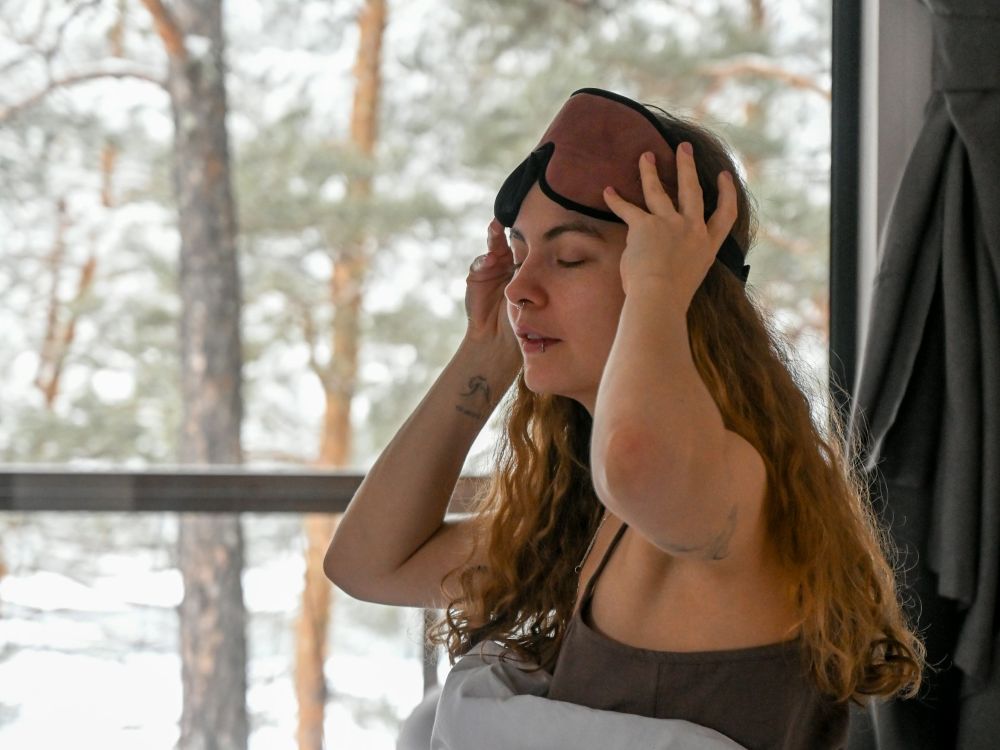
Sleep – the foundation of rest & recovery [Physical Rest 1]
This series started with a deep dive into practical sleep hygiene tips for better rest – pop back to that post if you haven’t read it yet.
Adults should aim for 7-9 hours of sleep a night. Habits, structure, and even how you place activity in your day all affect sleep quality. Sleep is when your body does deep physical repair and your brain consolidates memory – it’s absolutely essential. Everything else builds on this foundation.
Tip: Think of sleep hygiene as protecting your baseline first.
Mental Rest – quieting the busy brain
Mental rest is about giving your brain a break so it can focus better later – you’ll come back to focus tasks clearer and with refreshed mental energy.
Small “micro-breaks” like a 2-min breathing practice, a cup of coffee enjoyed without multitasking, a short walk, a brain-dump, or even looking up at the sky for 30s can reset your attention network.
On more intense days, 10-20 minutes of non-sleep deep rest (NSDR) or guided meditation can offer deeper refreshment.
💡 Tip: Naps can also be deeply restorative! See our sleep hygiene for better rest post for nap tips that support sleep health.
Mental energy also fluctuates with your thoughts and you might be draining yourself without realising. A quick thought “power-up” can boost focus – reminding yourself of your why, striking a superhero pose for a minute, or playing a motivating song.
One under-recognised piece: down-regulating at the end of the day. Without mentally transitioning out of work, you risk going to bed “tired but wired”. I like to jot down three ways I contributed to my purpose at the end of the work day – it gives my brain closure. A transition ritual also works: use your commute, or if you work from home, something as simple as a kitchen dance party with your family. 🎶
Reflection Q: Do you often feel physically exhausted but mentally restless at bedtime? Try adding short brain breaks during the day and keep a notebook by your bed for racing thoughts.
Rest Through Movement – active recovery for balance [Physical Rest 2]
Active recovery isn’t the same as exercise. Exercise is “output” – withdrawing energy to build long-term capacity. Active recovery is “input” – gentle movement that restores balance and adds back to your energy bank. Think walking, stretching, light yoga, mobility work.
Movement sprinkled through your day also resets stress hormones and restores tissue health. I love the different ways you can use mindful, restorative movement to promote rest and health – so more coming up soon in this rest & recovery series.
Bonus tip: Exercise builds capacity – you’ll have more energy to draw from if you train consistently. Just balance it with recovery so your body can rebuild stronger.
Emotional & Social Rest – safe spaces and real connection
Emotional rest means time and space to be authentic and freely express your feelings and emotions. It allows your amygdala to downshift, and puts energy back in the bank for the hard things. Truly experiencing your emotions, healthy boundaries, and avoiding people pleasing are key here. (Yes, all that easy stuff 😅)
A great way to achieve emotional rest is through play…and I’ll share a few tips next week. As adults we often don’t even realise this is important!
Social rest comes from safe, supportive relationships. Positive connection boosts oxytocin which, which lowers stress (by lowering hormones like cortisol) and can even improve sleep and immunity.
Tip: In-person connection is best. If that’s not possible, turn your camera on…it’s more restorative than text-only interaction.
Sensory Rest – unplugging from overstimulation
Screens, noise, and busy environments overstimulate your nervous system and slowly drain your energy. Sensory rest is about intentionally stepping away: closing your eyes at your desk, seeking out a quiet corner, or resting in darkness for a few minutes.
You’re looking for that moment of mental ease where it feels like your brain says “ah!” and takes a deep breath.
Tip: Take tech breaks. This could be 30mins of no tech before bed, or a weekly “tech sabbath”.
Creative & Spiritual Rest – awe, wonder, and meaning
We were created to experience awe and wonder. When we do, dopamine is released, boosting joy and even how we think and move! (Aren’t our minds and bodies incredible?!!) Awe and creative rest comes most naturally in nature. You’ll also experience it through art (and the arts), or even making something yourself.
Spiritual rest is about connection beyond yourself – belonging, love, acceptance, and purpose. I find essential rest in prayer and relationship with God, and I believe its’s a need we were created with. You’ll also find spiritual rest in meditation and in community involvement.
🌄 A favourite mind-and-soul reset: A solo hike with a journal. I’ll pause, enjoy the beauty of nature, and reflect in prayer. It brings me deep ease and calm.

Higher-Level Interventions – therapy, coaching, mindfulness
Our thought life can drain energy just as much as physical activity…think of how you can feel exhausted at the mere thought of having to spend time with ‘that person’.
Therapy, coaching, and mindfulness are ways to notice and reshape unhelpful patterns. Think of it like going to the gym before a heart attack – not after.
Professional support is also essential for trauma or clinical conditions. You can build techniques that you learn into daily life through habits like journaling, mindfulness practice, or self-coaching.
How to Choose the Rest You Need Right Now
Building a rest strategy takes awareness and experimentation. Start by noticing what drains you most. Mining for details will give you clues for how to recharge your energy.
- Physical energy at the end of the day but can’t face a difficult conversation? → Build in emotional rest.
- Get to bed exhausted but with a racing mind? → Add more brain-breaks.
- Repeated niggles with increased exercise intensity? → Swap a workout for active recovery and increase sleep.
- Irritable at work and catching every office cold? → More social rest like quality time with your bestie.
Building a Personal Rest Strategy
Any of the tips from this post could be helpful in most of our lives. But the real value comes from mindful awareness – looking at your patterns with curiosity and gently adjusting one or two things at a time.
Over the next couple weeks, I’ll be exploring play and mindful, restorative movement. For now, remember: life is built on hard work paired with quality rest. Neglecting rest slows you down. Prioritising it helps you live fuller, healthier, and more connected.
I hope this post has given you some info, sparked your curiosity, and set you up to experiment and find the right balance of the different types of rest for YOU to thrive.
🤍 Carmen
Resources and tools:
🎞️ TEDx Talk: The real reason why we are tired and what to do about it – Saundra Dalton-Smith
🧘♀️ Yoga or Pilates (in a local studio or online with Bridge & Bend)
📖 Hyperefficient: optimise your brain to transform the way you work – Mithu Storoni
📲 Guided meditation apps: like Calm, HeadSpace, The Bible App
📕 Cleaning Up Your Mental Mess – Dr. Caroline Leaf
This article is part of my Rest & Recovery series, where I’m exploring how to build habits that support deeper health and resilience. Stay tuned for next week’s post on the importance of play for adults. You can read more below:
Sleep: The Foundation of Good Rest
Revenge Bedtime Procrastination: Why We Stay Up Too Late
Disclaimer: Our content is for general information only and isn’t a substitute for medical or health advice. Reading or using this content doesn’t create a practitioner-client relationship. Please speak to your healthcare provider before making changes to your health, movement, or wellness routine. Read our full disclaimer here.