
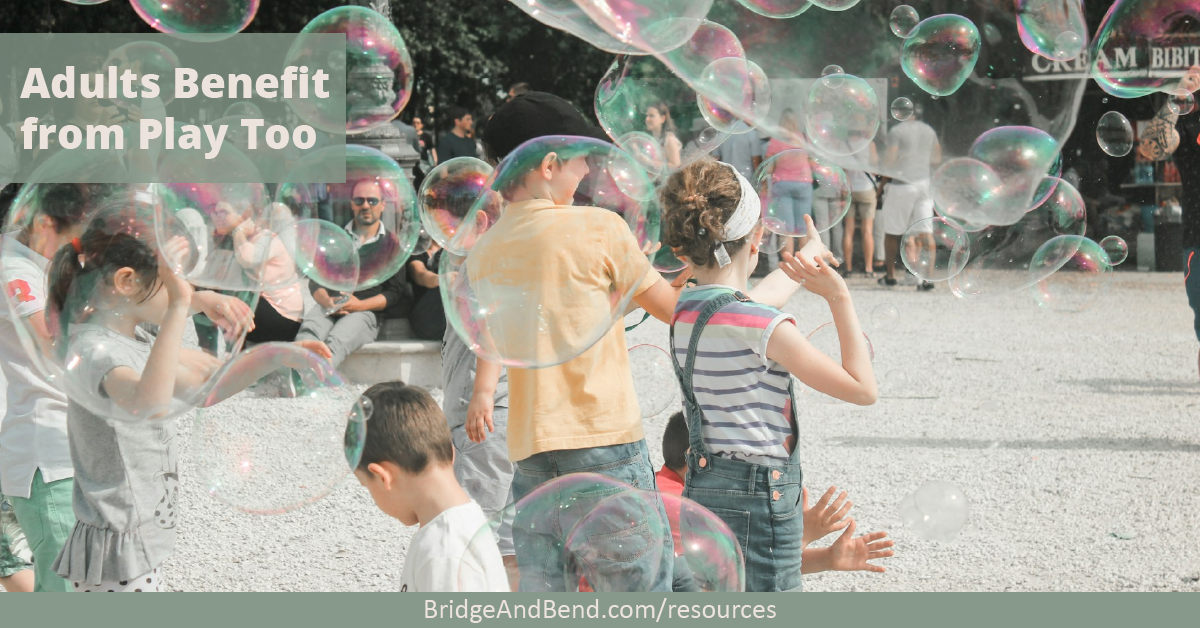
We don’t usually think of play and rest in the same breath. But when you watch someone caught up in play – their focus, their spark, their lightness – you can see how deeply restorative it is.
Play lifts mood. Lightens the heart. Lowers stress. It brings both relaxation and stimulation at the same time.
What Counts as Play?
At its core, play is something you choose to do for the sheer joy of it. The process matters more than the outcome. While you’re in it, you’re alert, engaged, and fully present – without worrying about results.
Play looks different for everyone. For some, it’s solo: reading, painting, tinkering, or researching. For others, it’s shared: padel, board games, bowling, or simply joking around with friends.
But here’s the catch: most adults don’t play nearly enough.
The Link Between Play and Recovery
Play is much more than “just fun.” It’s a powerful way to recharge your brain and body. Whether it’s a short brain-break, a moment of emotional release, or time spent in safe social connection, play creates a ripple effect that boosts overall recovery.
Here’s how it works:
- Noradrenaline sharpens focus.
- Dopamine sparks motivation and pleasure.
- Endorphins lift mood and wellbeing.
- Cortisol drops, reducing stress.
At the same time, play activates the prefrontal cortex – the part of your brain that drives creativity, decision-making, and problem-solving. It even supports emotional regulation, especially in social play.
Why Adults Need Play for Rest
In short: play is good for your mind, body, and relationships.
- It boosts creativity and problem-solving.
- It decreases stress and supports resilience.
- It builds trust and adds variety to relationships.
And let’s be real: adult life is busy. Without intentional choices, rest and play often slip off the calendar. But they’re essential parts of a healthy, sustainable life.
So yes – schedule time for spontaneity (it makes sense, I promise 🤪).
Practical Ways to Add Play into Your Day
Here’s a simple tip: think of one activity where you easily lose track of time – and make space for it.
A few ideas to spark you:
- Play with a puppy or child
- Host a games night
- Throw a frisbee in the park
- Try mini-golf
- Joke with strangers in the supermarket queue
- Experiment with a new recipe
Remember: it’s not about what you do, but how you approach it. Bring curiosity, humour, and openness.
Final Thought
Play isn’t a luxury or a distraction – it’s one of the most effective ways adults can find rest, recovery, and resilience.
So go on. Give yourself permission to play.
🤍Carmen
Resources and Further Reading
🌻 What and how to play as an adult
🧐 How do you like to play? Find out your ‘play personality’
This article is part of my Rest & Recovery series, where I’m exploring how to build habits that support deeper health and resilience. Stay tuned for next week’s post on restorative, mindful movement. You can read more below:
Tired All the Time? Different Types of Rest Can Help You Recharge
Sleep: The Foundation of Good Rest
Revenge Bedtime Procrastination: Why We Stay Up Too Late
Disclaimer: Our content is for general information only and isn’t a substitute for medical or health advice. Reading or using this content doesn’t create a practitioner-client relationship. Please speak to your healthcare provider before making changes to your health, movement, or wellness routine. Read our full disclaimer here.